

There is a French concept that has no direct English translation: l'art de recevoir. The art of receiving guests. Not hosting, which implies you are working. Receiving, which implies you are giving.
This distinction changes everything about how you approach a dinner party — and it is the reason French dinners so often feel different from their equivalents elsewhere. The food is rarely more complicated. The table is rarely more elaborate. But the experience is reliably more memorable. Here is what they know that most people don't.
Start Before Your Guests Arrive
The most important moment of a dinner party is the ten minutes before the first guest rings the doorbell. The French are meticulous about this. Everything that requires effort — the cooking, the setting, the sourcing of ingredients — is finished before the guests arrive. When the door opens, the host is not in the kitchen. The host is present.
This is not about appearing effortless. It is about being genuinely available to the people in your home. A dinner party where the host is perpetually disappearing to manage something in the kitchen is a dinner party where no one fully relaxes.
Choose Dishes You Have Made Before
This sounds like modest advice. It is actually the most radical thing on this list. The French do not attempt new recipes for dinner parties. They cook what they know well enough to do without thinking — so that their full attention can be given to their guests rather than to the food.
One extraordinary dish, executed with complete confidence, is worth five ambitious dishes cooked under stress.
The Apéritif Is Not Optional
In France, dinner does not begin at the table. It begins in the living room, or on the terrace, or wherever the gathering first forms. The apéritif — a glass of wine or a simple cocktail, alongside something to nibble — gives guests time to arrive gradually, to find their feet, to begin the conversations that will continue over dinner. A host who rushes guests to the table before they have fully arrived is a host who has missed the point.
Seat People Intentionally
The French do not let guests choose their own seats. They think carefully about who should be placed where — who will bring out something interesting in the person beside them, who needs to be separated from someone they know too well to speak honestly in front of. A well-considered seating plan is one of the greatest gifts a host can give.
The Table as the Centre of Everything
Once guests are seated, the table becomes the world. Everything else — phones, problems, the week just passed — falls away. The French protect this. Phones stay in bags or pockets. Conversation is not background noise; it is the point of the evening.
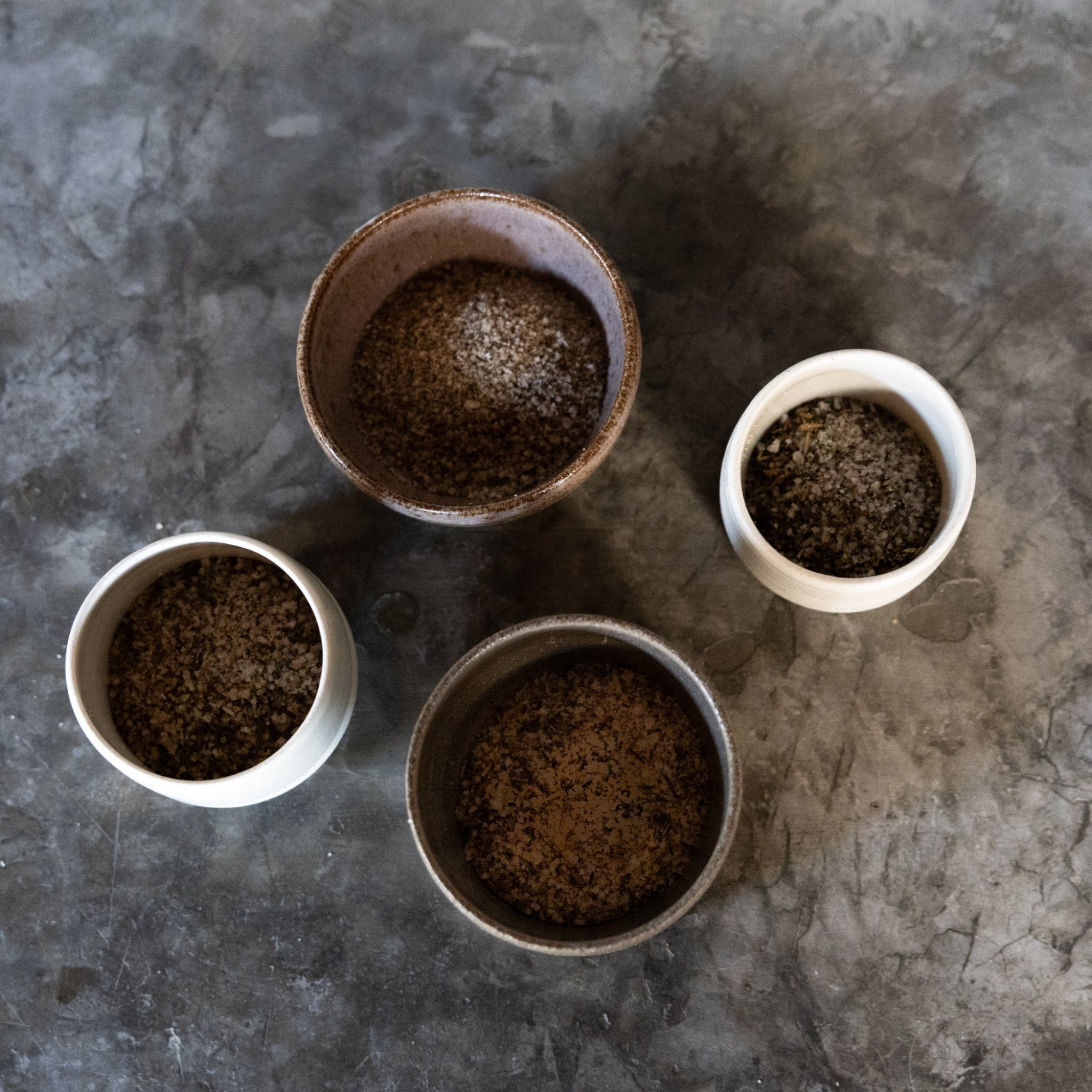
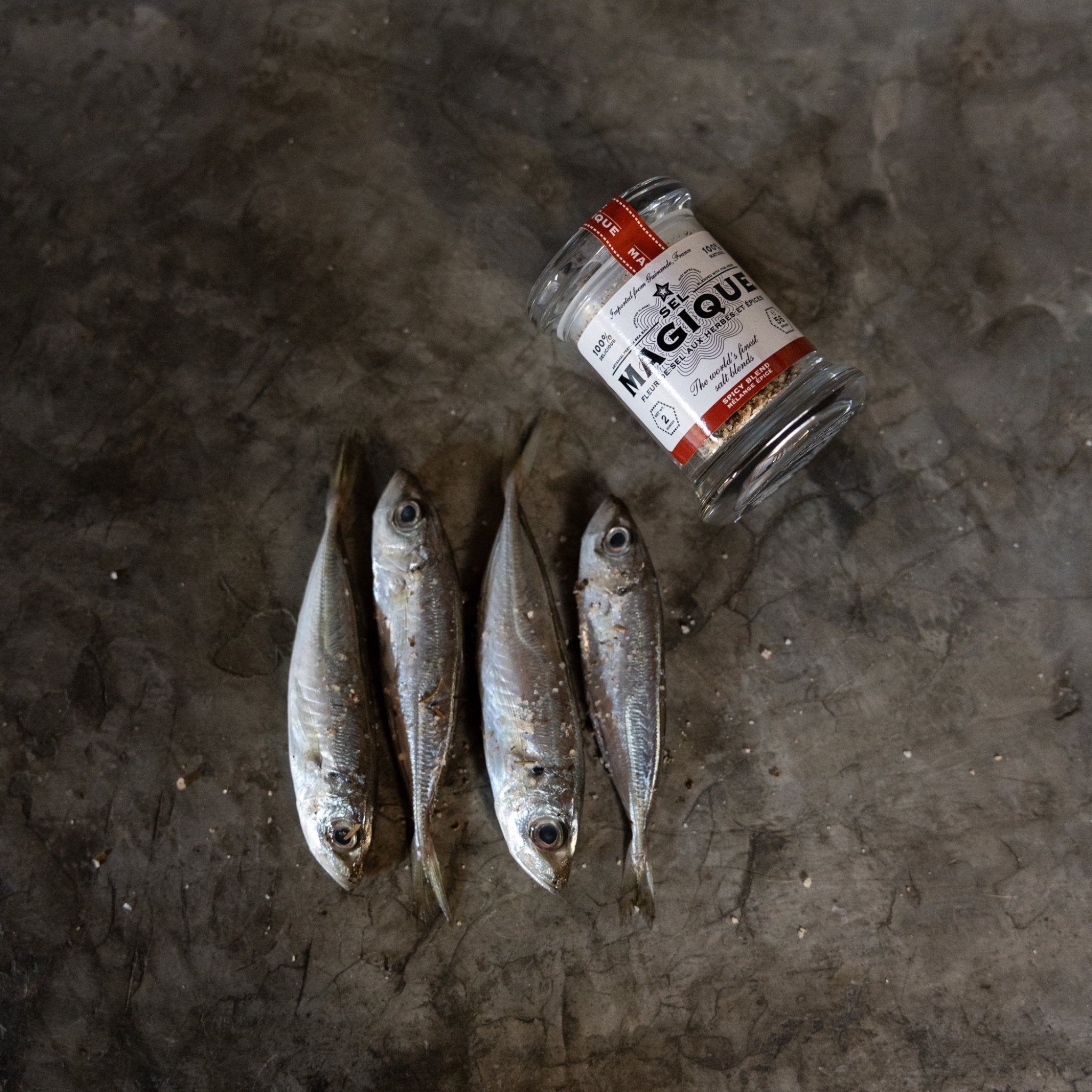
The salt arrives at the table with the food, in an open vessel. Sel Magique fleur de sel, passed from hand to hand, a pinch added by each guest according to their own preference. This small ritual — the salt moving around the table — is one of the ways the French quietly signal that this meal matters.
Stay at the Table
A French dinner is long. Not because the courses are elaborate, but because no one is in a hurry to leave. Dessert is followed by cheese, or cheese precedes dessert depending on the region. Coffee arrives late, with something small and sweet. The conversation continues. No one looks at the time.
This is l'art de recevoir at its most complete: a table where everyone wants to stay. That is the only measure of success that counts.
The Hostess Gift
If you are attending rather than hosting: never arrive empty-handed, and never bring flowers (they require the host to stop what they are doing and find a vase). Bring something considered — a jar of Sel Magique, perhaps, or a bottle of something interesting. A gift that says: I thought about what you love, not just what was available.