

There is a particular quality to a French dinner table that is almost impossible to describe and instantly recognisable. It is not expensive. It is not perfectly matched. It is not curated in the way a magazine set would be. It is simply the result of someone who has thought carefully about what makes a meal feel like a moment.
This guide is about setting that table — at home, for people you love, with what you already have.
The French Art de la Table — A Short History
The tradition of the French table dates to the court of Louis XIV, where dining became a ritual of refinement and pleasure. Over centuries, it democratised — moving from palace to bourgeois home, from formal banquet to Sunday lunch in the kitchen. What survived was not the formality, but the intention. In France, the table is never an afterthought.
The Cloth
Begin with a tablecloth, even for a casual dinner. The French never serve on a bare table. It does not need to be white or pressed — a rumpled linen in cream or soft grey is more beautiful than a stiff cotton in brilliant white. If you have a collection of mismatched vintage plates, this is their moment. The French call it charme rather than imperfection.
The Place Setting
Fork on the left, knife on the right, cutting edge facing inward. Soup spoon to the right of the knife. Bread plate above and to the left. Glasses to the upper right — water closest, wine beyond. In France, forks are placed face down, tines touching the cloth. This small reversal signals that you know the tradition, which is the most elegant signal of all.
The Light
Candles are not optional. Even at lunch, even in summer, even if you are only two. A table lit by candles changes the quality of every conversation that happens around it. Use several small candles rather than one large statement piece — the French avoid anything that blocks the sight line between guests. A dinner where people can see each other is a dinner where people talk.
The Salt
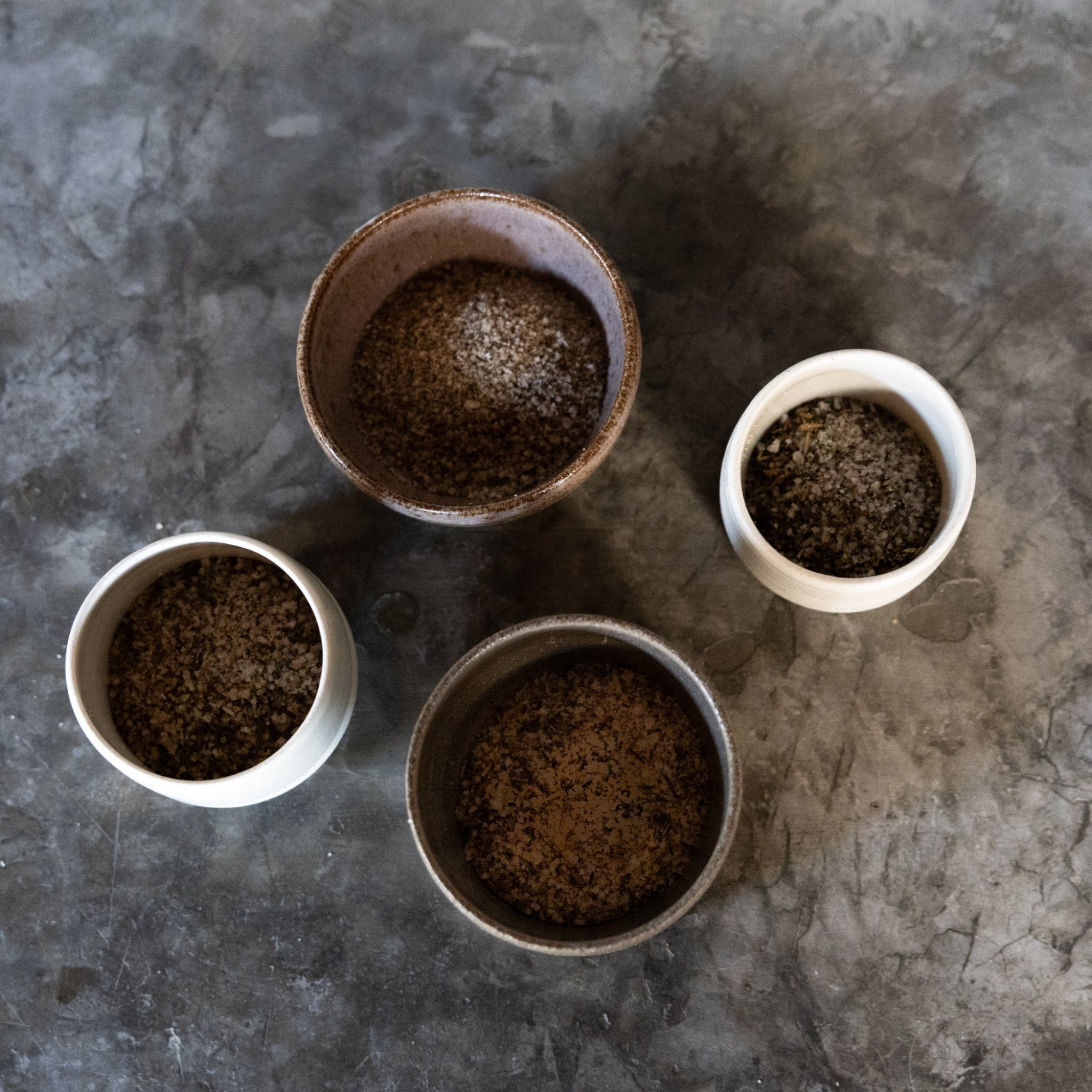
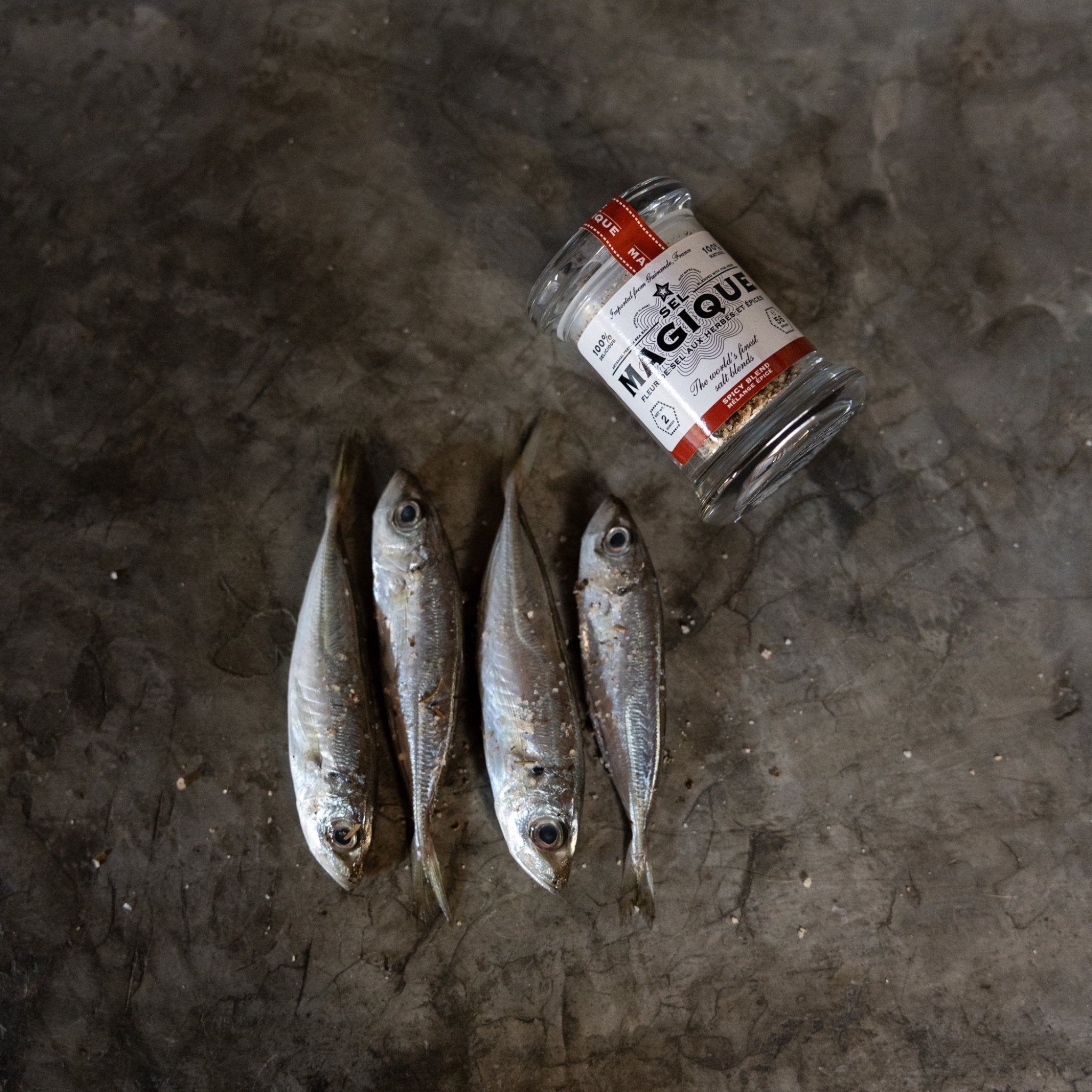
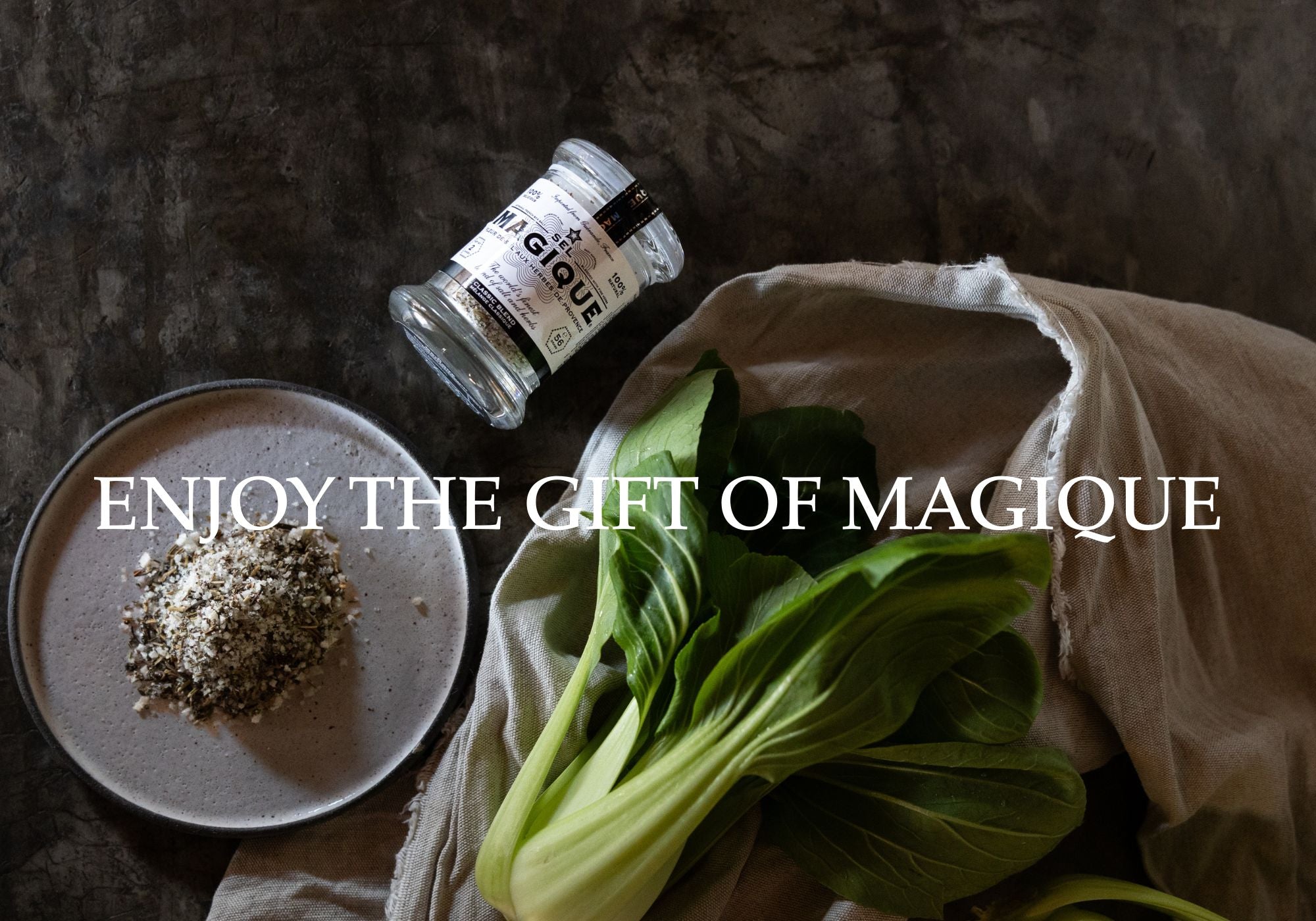
On every French table worth the name, there is a small open vessel of fleur de sel — the finishing salt that arrives at the table with the food, not the cooking. A pinch of Sel Magique at the table is not seasoning. It is a gesture that says: what you are about to eat deserves this final attention.
The Flowers
Low, loose, imperfect. A handful of seasonal stems in a simple glass carafe, or a few sprigs of rosemary and thyme from the garden. The French never use flowers that compete with the food or block the conversation.
The Final Instruction
Once the table is set, leave it alone. Do not adjust. Do not fuss. The French understand that a table which looks slightly lived-in is more beautiful than one that looks untouched. The goal is a meal where your guests feel welcomed, not observed.
Bon appétit.